Faith.hope.love Embroidery Design Review for Real Projects
As an embroidery designer who’s spent years evaluating digital embroidery files for everything from custom apparel to boutique branding, I’ve learned that the devil is in the details — especially when it comes to how a design translates from screen to fabric. Today, I’m putting Faith.hope.love through the paces as if I were preparing to stitch it onto a custom sweatshirt or tote bag for a client. This isn’t just about aesthetics; it’s about practicality, performance, and value.
First Impressions: A Classic, Versatile Message
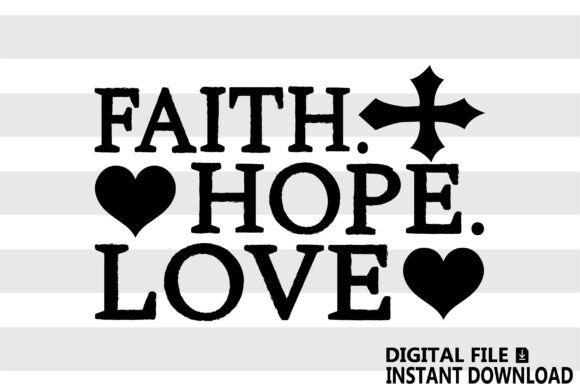
The Faith.hope.love design immediately feels like a strong contender for a wide range of projects. It’s clean, well-structured, and carries a timeless message that resonates across many audiences. The typography appears balanced, with a gentle curve to the letters that adds warmth without being overly decorative. As a Christian SVG design, it fits naturally into holiday gifts, personalized items, or even small shop products looking to add a spiritual or inspirational touch.
What stands out most is the layout. The phrase is centered, which gives it a sense of focus and intentionality. There are no overwhelming graphics or intricate flourishes that might distract from the core message. Instead, it relies on simplicity and clarity — two qualities that are essential in both visual appeal and successful embroidery execution.
Real-Life Application: Sweatshirts, Tote Bags, and More
I can easily imagine this design stitched onto a soft cotton sweatshirt or a canvas tote bag. Its bold structure holds up well on larger surfaces, and the spacing between the words allows for easy customization around it. If you’re planning to offer it as part of a set of embroidery file options for clients, it would pair nicely with smaller embellishments or hand-stitched accents.
For custom apparel, especially in the realm of casual wear, this design has the potential to elevate your product. It’s not too religious to feel niche, but still meaningful enough to connect with those seeking inspiration or faith-based content. That makes it ideal for Etsy sellers, crafters, or anyone running a handmade shop that caters to a broad audience.
In terms of sweatshirt embroidery, the flatness of the text and its moderate complexity means it won’t get lost in the bulk of the garment. It also works well as a standalone machine embroidery design without needing additional layers or color schemes. You could even consider using it for embroidered patches — a great way to expand your product line while maintaining brand consistency.
Design Assets for Commercial Use
The package includes SVG, AI, PNG (transparent), EPS, DXF, and JPEG formats, which is excellent news for anyone working with multiple platforms or selling digital embroidery files. These formats allow for seamless integration into software like Adobe Illustrator, making it simple to scale, recolor, or adjust before sending it to the machine.
As someone who sells design assets online, I appreciate the transparency and variety offered here. Whether you're creating printable mockups for your customers or need a high-res JPEG for social media previews, the included files cover the essentials. Still, I recommend confirming licensing terms before using this in any commercial project, just to stay on the safe side.
Where to Use Faith.hope.love Carefully
While the Faith.hope.love design is versatile, there are situations where it might require extra attention:
- Small hoop sizes: The design’s width may exceed what some compact hoops can handle. Always check dimensions before stitching.
- Textured or stretchy fabrics: If you're embroidering on denim, flannel, or knits, the texture can affect how stitches lay. Use appropriate stabilizers and test tension settings.
- Thin or dark materials: On sheer or black garments, thread contrast becomes crucial. Consider using white or light-colored threads for better visibility.
- Curved surfaces: While the design is linear, placing it on a curved surface like a cap or hat could distort the look. Test placement carefully or use a curved mockup tool.
- Dense stitch areas: Depending on how you choose to execute the lettering (satin vs. fill), some sections may require more stabilization to prevent puckering.
These aren’t deal-breakers, but they do highlight the importance of understanding your materials and tools before moving forward with a real project.
Stitch Clarity and Detail Level
Looking at the SVG layout, the lettering is crisp and clear. Each word is distinct, with generous spacing between letters and words, which helps avoid overcrowding during the stitching process. However, the detail level is modest — there’s no excessive ornamentation or tiny elements that might break during embroidery. This makes it a safer choice for hobbyists or beginners who want something impactful but manageable.
When it comes to stitch types, the design likely uses a combination of satin and running stitches. The solid parts of the letters will probably be satin stitched for a polished finish, while the outlines or less dense areas might be running stitches. For a professional result, I’d suggest adjusting the stitch density slightly depending on the fabric and thread weight you're using.
Customer Reaction and Market Fit
From a business perspective, Faith.hope.love has strong giftability potential. It’s the kind of design that could become a bestseller in a craft business that focuses on personalized gifts or spiritual-themed merchandise. Customers love seeing heartfelt messages brought to life in embroidered form, and this one checks all the boxes.
If you're an Etsy seller or run a small shop, adding this to your lineup of T-Shirt Designs could attract buyers looking for something meaningful yet subtle. It's not flashy, but it's memorable — and that often means higher customer engagement and repeat sales.
As for handmade presentation, this design adds a layer of professionalism to your work. Even if the rest of your product is minimally styled, the presence of a well-executed embroidery project can significantly boost perceived value and customer trust.
Designer Tips for Getting the Most Out of Faith.hope.love
- Test on scrap fabric first: Before stitching on a final product, always run a trial. Especially if you're using a new machine or unfamiliar thread colors.
- Check thread color contrast: If your base fabric is dark, make sure the chosen thread colors pop. White, cream, or pastel shades often work best.
- Review stitch density: Dense areas can cause puckering, especially on thinner or stretchier fabrics. Adjust settings accordingly.
- Confirm hoop size: Make sure your hoop can accommodate the full design without cutting off any important parts.
- Inspect small details: Though the design is straightforward, zoom in on the edges and corners to ensure they’ll stitch cleanly.
- Try black and white mockups: This helps visualize how the design will appear in grayscale or with different thread choices.
- Compare light and dark backgrounds: See how the design behaves on contrasting fabrics. Sometimes, adjustments are needed for visibility.
- Use proper stabilizer: Especially for delicate or stretchy materials. Tear-away or cut-away stabilizers can help maintain shape and quality.
- Verify commercial use rights: If you're planning to sell finished products or digital embroidery files, double-check the licensing to avoid legal issues.
Project Ideas and Creative Pairings
Here are a few real-world scenarios where Faith.hope.love could shine:
- A custom embroidered pillow cover for a nursery or living room, paired with minimalist borders or floral accents.
- An applique design for a baby blanket, using a soft pastel palette to create a gentle, comforting vibe.
- A holiday gift tag or kitchen towel with the design in a contrasting thread color, giving it a festive edge.
- A cap embroidery piece for a boutique line of men's or women's headwear, placed neatly above a logo or emblem.
- A branded tote bag design for a small shop, using the design as a central feature to reinforce brand identity and values.
Each of these applications benefits from the design’s simplicity and emotional resonance. It doesn’t demand attention — it invites it.
Final Thoughts for the Practicing Designer
In my experience, the right design can make or break a product’s success. Faith.hope.love isn’t perfect for every situation, but it’s a solid foundation for a wide range of embroidery projects. Its strength lies in its adaptability — whether you're creating a personal keepsake or launching a new line of Graphics for your T-Shirt Designs collection.
That said, don’t take the design for granted. Treat it like any other asset in your creative toolkit. Adjust, test, and refine based on your materials and goals. With the right approach, this design can enhance your handmade product offerings, build stronger connections with your customers, and contribute to a more cohesive brand identity.
So, if you're thinking about adding Faith.hope.love to your next project, go ahead — just remember to stitch smart and stay true to your creative vision.