Faith Makes Things Possible Not Easy – A Designer’s Perspective
As an experienced embroidery designer and product reviewer, I always take a moment to assess how a design will translate from digital to real-world stitching. Faith Makes Things Possible Not Easy caught my eye for its bold message and thoughtful layout. This isn’t just another generic T-shirt graphic—it has the potential to become a meaningful design element in custom apparel, personalized gifts, or even boutique branding. Let’s break it down from a practical standpoint.
First Impressions: Message, Layout, and Visual Personality
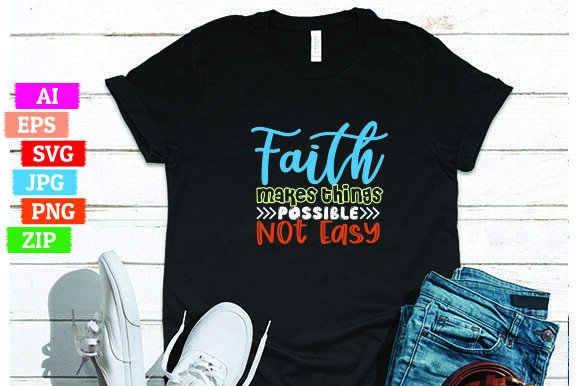
The phrase “Faith Makes Things Possible Not Easy” carries a strong emotional weight. It’s motivational yet realistic, which makes it versatile across audiences—from spiritual communities to personal empowerment brands. The text is well-structured, with clear typography that balances readability and style. While the exact font type and size aren’t specified in the design assets, the overall layout suggests a modern, slightly stylized approach that avoids being too cluttered or childish.
I noticed the design uses a combination of satin stitch and possibly fill stitch, depending on the version you choose. The visual personality leans into confidence and clarity—perfect for a handmade product or a commercial embroidery project where the message needs to stand out without overwhelming the garment.
Real-Life Use Cases: Where This Design Shines
Faith Makes Things Possible Not Easy works best when applied to larger surface areas like tote bags, sweatshirts, and oversized T-shirts. The design feels at home on these kinds of items because it allows room for the text to breathe and for the stitching to show off its quality. As a tote bag design, it could be a standout feature in your Etsy shop or craft fair booth, especially if paired with a minimalist aesthetic.
It also fits nicely as a custom apparel option for small businesses or boutique owners who want to add a touch of inspiration to their merchandise. For holiday gifts, this design can make a heartfelt embroidered patch or pillow cover. Its message is subtle enough not to feel pushy but powerful enough to resonate with customers looking for something meaningful.
Best Suited for:
- Sweatshirt embroidery — the soft curves and moderate detail level complement cozy knit fabrics.
- Tote bags — great visibility and durability when stitched correctly.
- Baby clothes — the design can be adapted with softer fonts and colors for a gentler look.
- Commercial embroidery projects — the clean lines and bold statement make it ideal for branded products.
Where Caution Is Advised
While Faith Makes Things Possible Not Easy is impressive, there are situations where it might not perform as expected. For example, using it on very small hoop sizes could lead to lost details or a cramped appearance. If you’re working with textured fabrics, such as canvas or denim, the stitch density might need adjusting to avoid puckering or uneven coverage.
Also, if you plan to embroider onto thin or stretchy fabric, extra care must be taken with stabilizer placement and tension settings. The same goes for dark fabric backgrounds, where thread contrast becomes critical. On curved surfaces like caps or hats, the text may appear distorted unless the file includes specific adjustments for those shapes.
Additionally, watch out for dense stitch areas—if your machine struggles with high-density fills, consider reducing them or replacing them with simpler running stitches. This design is not suited for items that require frequent washing unless you use durable threads and proper backing techniques.
Impact on Product Value and Customer Perception
When used appropriately, this design elevates the visual appeal of any handmade product. Customers tend to respond positively to designs that carry both artistic value and emotional resonance. In my experience, people gravitate toward personalized gifts that express more than just a name or date—this design does that by delivering a message they can connect with.
From a business perspective, it adds product value and helps build customer trust in your attention to detail. Whether you're an Etsy seller or a craft business owner, having a design that communicates professionalism and intentionality can set your items apart in a crowded market.
For brand consistency, it’s important to note that the design doesn’t include decorative flourishes that might clash with your existing logo or color palette. That flexibility is a plus if you’re aiming for a cohesive line of small shop products or nursery decor.
Designer Notes: Practical Tips for Real Projects
Before applying Faith Makes Things Possible Not Easy to your next embroidery project, I recommend the following steps:
- Test the design on scrap fabric first — especially if you’re planning to use it on a new material or in a different color scheme.
- Check thread color contrast — ensure the colors pop against your chosen fabric background.
- Review stitch density — adjust fill areas if necessary to prevent puckering or over-stitching.
- Confirm hoop size requirements — while specifics aren’t provided, larger designs often need bigger hoops for accuracy.
- Inspect small details — if the design contains tiny letters or intricate elements, test them carefully before mass production.
- Use black and white mockups — this helps visualize how the design will look without color bias.
- Compare light and dark fabric backgrounds — the design's effectiveness can vary significantly depending on fabric tone.
- Use proper stabilizer — especially for stretchy or thin materials to maintain shape and clarity after stitching.
- Verify licensing terms — since it’s labeled for Print On Demand Business, double-check whether you can sell finished products or digital assets without restrictions.
Design Assets and Format Considerations
The design comes in an editable AI format, which is great news for designers who want to tweak colors, fonts, or spacing. However, keep in mind that AI files won’t give you direct insight into stitch count or machine compatibility unless converted or tested. Since no additional formats (like DST, PES, or JEF) are mentioned, I suggest converting the AI file to an embroidery-specific format if you need precise machine instructions.
If you’re creating printable mockups or previews for digital embroidery files, the AI format allows for easy customization. Just remember to simulate how the final embroidery will look—especially on curved or textured surfaces.
Final Thoughts for Embroidery Entrepreneurs
Faith Makes Things Possible Not Easy is a solid addition to your design assets collection, particularly for machine embroidery design work. It brings a sense of purpose and elegance to your embroidery project, making it suitable for both personal and commercial embroidery applications.
But as with all embroidery graphics, success lies in preparation. Take time to understand how the design behaves on your preferred materials and machines. With some testing and thoughtful application, it can become a trusted part of your creative toolkit—helping you deliver finished products that speak volumes.