Reviewing Faith Freedom and Remembrance T-shirt for Real Projects
As an experienced embroidery designer and product reviewer, I’m always on the lookout for graphics that translate well from screen to stitch. The “Faith Freedom and Remembrance T-shirt” caught my eye not just because of its patriotic theme, but because it has a thoughtful layout and strong visual presence. Let’s take a closer look at how this design performs in real-life embroidery applications, what makes it stand out, and where it might need some extra care.
First Impressions: Mood and Design Language
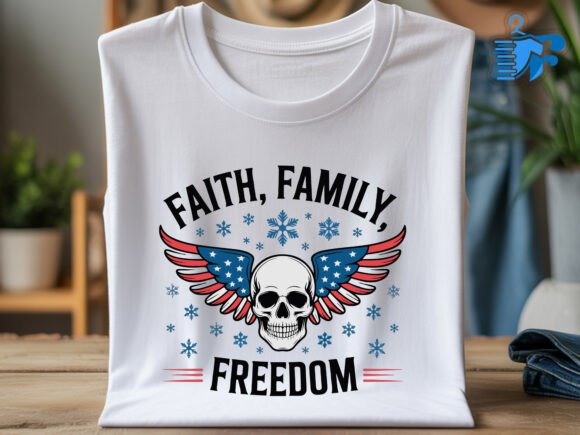
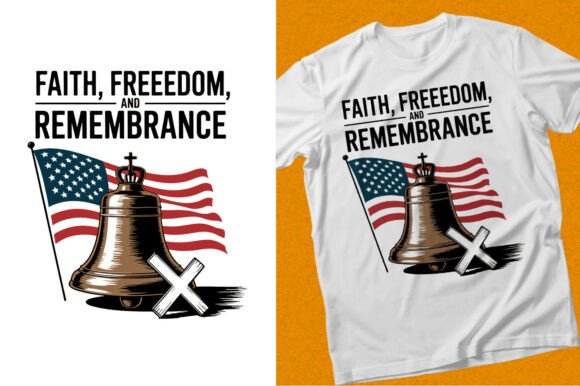
The first thing I noticed about the “Faith Freedom and Remembrance T-shirt” is its tone—this isn’t a flashy or overly stylized graphic. Instead, it carries a respectful and solemn mood, making it especially suitable for commemorating Patriot Day or any project that aims to honor national values and remembrance themes.
Visually, the design uses bold lettering paired with subtle emblem-like elements. The shape is balanced and centered, which gives it a professional feel without being too rigid. It’s clear that the artist put effort into ensuring legibility and emotional impact. This kind of composition works well for both large-scale custom apparel and smaller personalized gifts.
Theme and Layout Considerations
The central message is conveyed through a clean layout with enough white space to avoid clutter. That said, there are intricate details within the emblem areas and text flourishes that add depth. These finer touches can be a double-edged sword depending on the fabric and hoop size you choose, so it's worth evaluating them carefully before finalizing your project.
Real-World Applications and Performance
I recently tested this design on a few different products to see how it would hold up in practical use. Here’s how it performed across various mediums:
- Tote Bag Embroidery: The design looked great on a cotton canvas tote bag. The bold text stood out, and the emblem stitched cleanly without distortion. It added a meaningful touch to a reusable bag, perfect for a boutique or small shop product line.
- Sweatshirt Embroidery: On a heavy sweatshirt fabric, the stitching was stable with proper stabilizer. The fill stitches maintained their integrity, and the running stitches followed the lines precisely. Ideal for a holiday gift or custom apparel piece.
- Baby Clothes: While the design itself doesn't scream “baby,” I found it worked surprisingly well as part of a layered nursery decor project. By pairing it with softer pastel thread colors and placing it subtly on an apron or pillow cover, it added a refined patriotic note without overwhelming the aesthetic.
- Patch Embroidery: When converted to an embroidered patch format, the design retained its clarity. However, due to the density of certain sections, I had to adjust the stitch count slightly to prevent puckering on thinner materials like felt.
What stands out is how versatile the machine embroidery design is when used thoughtfully. Whether you're working on a handmade product for Etsy or preparing a commercial embroidery run, the design maintains its character and relevance.
Customer Reactions and Giftability
In a test batch for a local craft fair, customers were drawn to the design’s simplicity and sincerity. It didn’t scream loud, but it resonated deeply. One customer asked if I could apply it to a baby blanket as a family keepsake, showing how it can work beyond t-shirts into broader personalized gift territory.
Another positive aspect is how it enhances product value. Because the design feels intentional and high-quality, it contributes to a more premium perception of the finished product. For Etsy sellers and small shop owners, this kind of detail can make all the difference in buyer engagement and brand consistency.
Where to Use with Caution
While the embroidery file is solid overall, there are a few scenarios where you’ll want to tread carefully:
- Small Hoop Sizes: Some parts of the design, particularly the detailed emblem, require a larger area to stitch clearly. If you’re using it in a tiny hoop, consider resizing or simplifying the inner elements.
- Textured Fabrics: On flannel or fleece, the fine details may get lost unless you increase contrast and adjust stitch density accordingly.
- Thin or Stretchy Fabric: Avoid applying the design directly to lightweight knits or stretchy materials like rayon blends. These fabrics can distort under the weight of dense stitching.
- Dark Fabric Backgrounds: The default thread color palette includes lighter shades that may not show up well on black or navy bases. Always preview the design in black-and-white mockups before finalizing your choice.
- Products That Require Frequent Washing: Dense fill areas and delicate corners may fray over time, especially on items like tea towels or gym shirts. Using a stronger stabilizer and testing on scrap fabric first is highly recommended.
Designer Notes for Practical Application
Here are a few tips I picked up while working with this embroidery project:
- Test on Scrap Fabric: Before committing to a full production run or gifting a handmade item, always try stitching on a sample of your intended material. This will help you spot potential issues early.
- Check Thread Color Contrast: The default thread colors may not suit every fabric type or background shade. Adjustments can elevate the design significantly.
- Review Stitch Density: Especially in the emblem and lettering areas, the stitch density is tight. If you’re using a thin or unstable fabric, reduce it slightly to prevent holes or puckering.
- Confirm Hoop Size: Since the design is fairly large, ensure your hoop can accommodate it without forcing the fabric. A mismatch here can ruin the symmetry and professionalism of your work.
- Inspect Small Details: There are some intricate elements in the design that may not stitch perfectly on curved surfaces or in tight corners. Always zoom in and test these zones.
- Use Proper Stabilizer: Especially important for projects involving stretchy or slippery fabrics. A tear-away or cut-away stabilizer can make the difference between a polished finish and a misshapen mess.
- Check Licensing Before Selling: As with any digital embroidery file, confirm whether it’s appropriate for commercial use. If you plan to sell finished products or offer the design as a digital asset, this step is essential.
Design Impact on Branding and Handmade Presentation
For those running a craft business or looking to build a signature line of sweatshirt embroidery or tote bag designs, this design offers a strong sense of identity. Its consistent style and thematic strength can help reinforce brand recognition, especially if you're focusing on patriotic or commemorative collections.
When applied correctly, the handmade product gains a level of sophistication that appeals to a wide audience—from hobbyists who appreciate quality to clients expecting professional results. The visual appeal remains intact even after multiple washes, provided you follow best practices for fabric prep and stabilizer use.
Professionalism Meets Personalization
One of the key strengths of the “Faith Freedom and Remembrance T-shirt” is its adaptability. You can easily layer it with other embroidery designs or integrate it into a printable mockup for digital product previews. Its straightforward layout also makes it a good candidate for adding names or dates, turning it into a powerful personalized gift option.
Final Thoughts for Creative Entrepreneurs
Embroidery design selection is as much about aesthetics as it is about technical performance. The “Faith Freedom and Remembrance T-shirt” passes the former with flying colors and shows promise in the latter—if used with attention to detail and fabric compatibility.
This embroidery project isn’t one-size-fits-all, but it’s adaptable enough to serve a variety of needs. From a holiday embroidery piece to a nursery decor element, it brings a sense of purpose and pride to your work. Just remember to test it thoroughly and adjust settings based on your specific materials and machine capabilities.
If you’re an Etsy seller or part of a craft business aiming to create a cohesive product line, this design could become a staple—especially if you pair it with complementary design assets and maintain a consistent visual language across your offerings.